
 248.972.0800
 Bloomfield Hills, MI



Choosing assisted living floor plans is one of the biggest “comfort” decisions you’ll make – because the layout shapes everyday life. The right plan makes it easier to move around safely, keep favorite routines, and feel settled from the very first week.
At The Bradford Senior Living in Bloomfield Hills, Michigan, families often start by comparing room sizes, then realize the best fit comes down to smart design: clear walking paths, accessible bathrooms, and a layout that supports both privacy and connection. If you’re comparing layouts now, explore the community’s Floor Plans and Pricing and then call 248-972-0800 to talk through which option matches your loved one’s needs.
What makes a “good” assisted living floor plan?
A good assisted living floor plan helps a resident do more independently and with less stress. It should feel simple to navigate (especially at night), allow for comfortable furniture placement, and support daily care when needed – without feeling clinical.
When families request assisted living floor plans with dimensions, they’re usually trying to answer practical questions like:
- Will a walker or wheelchair move easily through the room?
- Can we fit a favorite recliner, dresser, or small dining table?
- Is the bathroom set up to reduce slip and trip risks?
If you prefer visuals, assisted living floor plans with pictures help you imagine real life in the space – how the bed sits, where light comes in, and whether the room feels open or crowded.
A note on safety and falls
Falls are a major concern for older adults, and layout matters. Wide, clutter-free walkways, good lighting, and supportive bathroom features can reduce everyday hazards. For evidence-based guidance, you can review fall-prevention resources from the National Institute on Aging and the CDC’s home safety checklist.
This article is for general education only and isn’t medical advice. For personal guidance, talk with a healthcare provider.
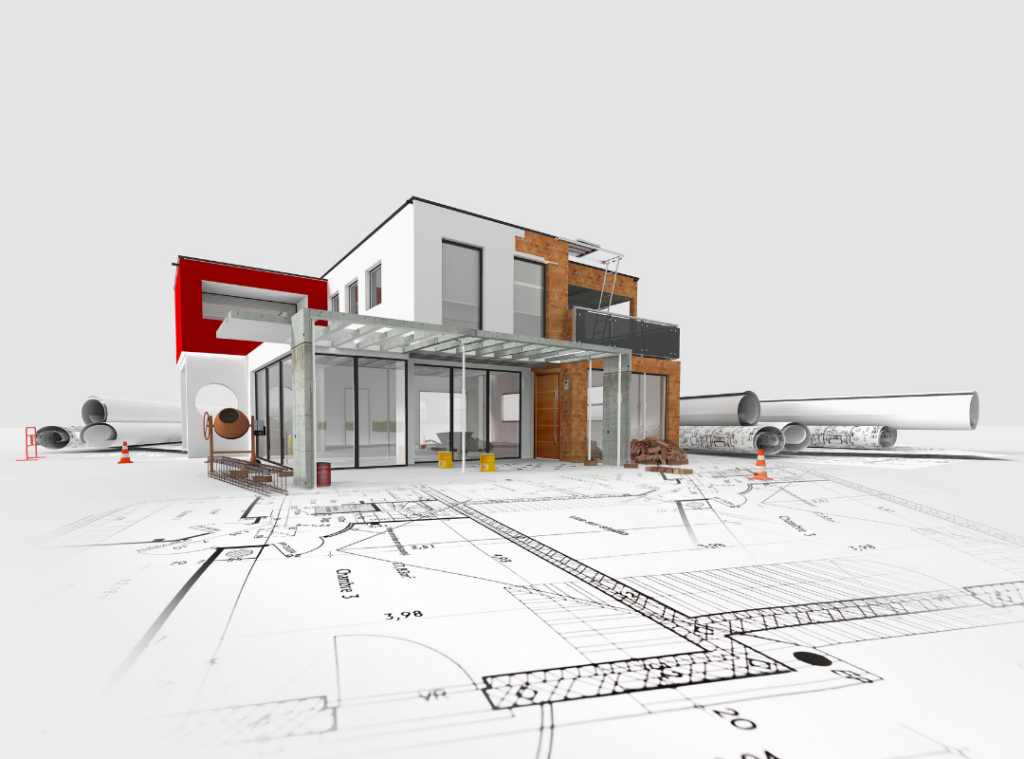
Key features to look for in assisted living floor plans
When comparing assisted living floor plans, look beyond square footage and focus on how the space works day to day.
Bedroom and living area flow
- Clear, straight walking paths (less weaving around furniture)
- Enough turning space for mobility aids
- Easy access to a closet and dresser without tight corners
Kitchenette or snack space
Many residents like having a small area for simple snacks or drinks. Even in small assisted living floor plans, a well-placed counter and storage can add comfort and routine – while still enjoying community dining.
For how dining is supported at The Bradford, see Dining.
Bathroom design that supports independence
Prioritize:
- Walk-in shower access
- Space for safe movement (especially with assistance)
- Simple, reachable storage
If you’re using assisted living floor plans with dimensions, map out how the bathroom door swings and where a caregiver might stand if help is needed.
Storage that reduces clutter
Good storage keeps walkways open, which supports fall prevention. In smaller layouts, smart storage can be the difference between “cozy” and “crowded.”
How “small” floor plans can still feel comfortable
Small assisted living floor plans can be an excellent fit when they’re designed efficiently. Many people prefer a smaller footprint because it’s:
- Easier to keep tidy
- Quicker to navigate
- Less overwhelming during the transition
To make a smaller layout feel like home, plan for:
- One or two meaningful pieces of furniture (instead of many small items)
- Clear walking lanes from bed → bathroom → seating
- Lighting that feels warm and consistent (especially near the bed)
For practical home-design ideas, the AARP HomeFit Guide is a helpful reference when thinking through safety and comfort.
Why community spaces matter as much as the private layout
A private apartment is important – but quality of life often improves when the community layout supports connection and routine.
At The Bradford, shared spaces and programming can make a new setting feel familiar faster, including:
- Art classes, fitness classes, game nights, and movie nights (Activities)
- Trips to local destinations, including museums and local restaurants
- Religious services
- Activity rooms and social areas
These areas can be especially meaningful during Michigan’s changing seasons – a cozy movie night in winter, a game night with friends, or an outing to a local museum or restaurant.
Tools that help you compare floor plans with confidence
If you’re choosing between assisted living floor plans with pictures or trying to make sense of assisted living floor plans with dimensions, a simple visual tool can help you “test” furniture placement before you commit.
One option is RoomSketcher, which lets you visualize layouts and spacing. This can be useful if your loved one uses mobility aids or if you’re bringing cherished furniture that needs to fit comfortably.
Tip: Bring measurements of key items (bed, recliner, dresser) and compare them to the plan dimensions.
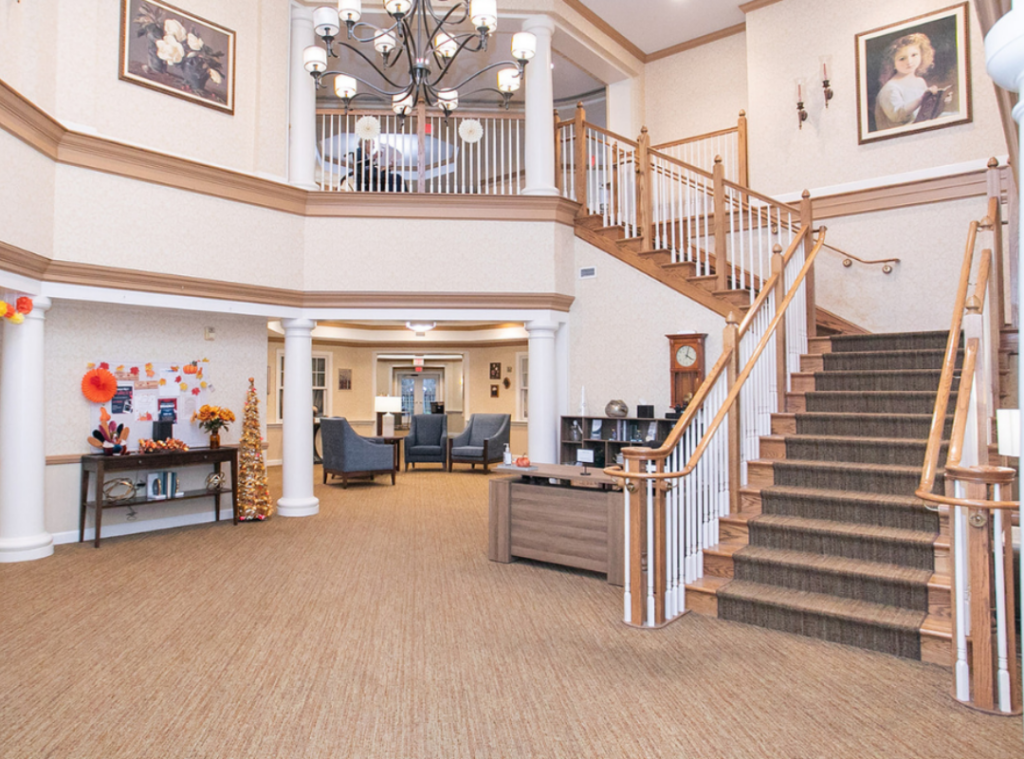
Explore Assisted Living Floor Plans at The Bradford
Choosing assisted living floor plans is about more than selecting a layout – it’s choosing a daily rhythm supported by care, comfort, and a welcoming community. Whether you’re reviewing assisted living floor plans with pictures, comparing assisted living floor plans with dimensions, or deciding if small assisted living floor plans are the best fit, the goal is the same: a space that feels safe, calm, and truly livable.
Visit The Bradford Senior Living to explore options, including Assisted Living, Memory Care, and Respite Care, and learn more about supportive offerings through Services and Amenities.
Frequently Asked Questions
How much does a week of respite care cost?
A week of respite care typically costs between $1,000 and $3,500, depending on the level of support needed and the type of facility. Prices vary based on factors such as location, staff expertise, and whether your loved one requires specialized memory care. In-home respite services may be less expensive overall, but the cost can still add up depending on the number of hours needed. It’s best to compare local providers to understand the typical weekly rate in your area.
What is the daily rate for respite care?
Daily rates for respite care usually range from $150 to $350 per day. These costs depend on the community, level of assistance, and length of the stay. Some communities offer discounted rates for longer visits, while others charge more for advanced care services such as dementia support. Always ask providers for a detailed breakdown of what’s included to avoid unexpected charges.
Who has to pay for respite care?
Respite care is often paid for privately by families, but some financial assistance options may be available. Medicaid programs in certain states may cover respite services for eligible individuals. Veterans may also qualify for support through VA benefits. Long-term care insurance policies sometimes include respite care coverage, so reviewing your policy can help determine potential savings.
What are respite care options?
Respite care options include in-home care, adult day programs, and short-term stays at assisted living or memory care communities. In-home care offers flexible support, enabling your loved one to remain comfortable in their own familiar surroundings. Adult day programs provide structured activities and supervision during daytime hours. Short-term residential stays offer 24/7 care, making them ideal when caregivers require extended relief or time away from their responsibilities.
Very clean and great environment… there’s been a lot of changes done in the last 2 years for the better!!
Bruce H.