
 248.972.0800
 Bloomfield Hills, MI


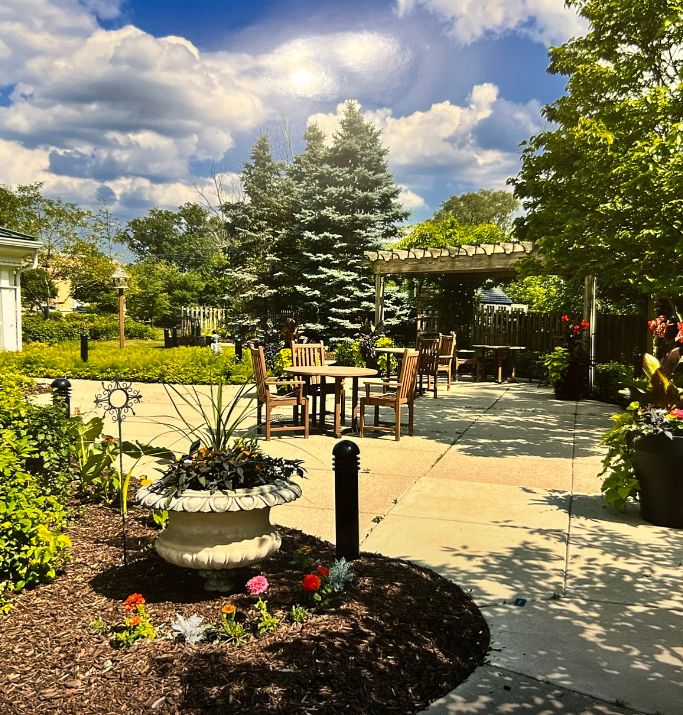
If you’re searching for senior apartments in Detroit, MI, you’re probably asking one main question: “Where can I live comfortably, feel supported, and still enjoy my day-to-day life?” The right answer depends on what you need today—plus what would help you feel secure as needs change.
For many Metro Detroit families, The Bradford Senior Living (in Bloomfield Hills) is a strong option to consider when you want a welcoming setting, engaging daily life, and access to supportive care when it’s needed. You can learn more about The Bradford Senior Living and what daily life looks like in the community.
Ready to make this decision easier? Call 248-972-0800 to ask questions, compare care options, and schedule a tour at The Bradford.
What to Look for When Comparing Senior Apartments in Detroit
When people search for low-income senior apartments in Detroit, MI, or low-income senior housing in Detroit, they’re usually balancing three things:
- Monthly budget (and what’s included)
- Daily support (now or later)
- Quality of life (friends, activities, meals, and routine)
It’s also common to see searches like senior apartments in Detroit, MI, under $1000 or even new senior apartments in Detroit under $500. Availability and pricing can change quickly across the region, so the most helpful next step is to confirm what’s included (meals, transportation, housekeeping, etc.) and whether supportive services are available if needs increase.
At The Bradford, residents can access multiple care options in one community—Assisted Living, Memory Care, and Respite Care—so families don’t have to start over every time circumstances change.
Daily Life That Feels Full (Not Complicated)
A big part of thriving as we age is staying socially connected and mentally active. That’s why it helps to choose a community with a real calendar—things you’ll actually want to show up for, not just “on paper.”
Activities that make it easier to stay engaged
At The Bradford, activities are designed to help residents stay connected, active, and involved—without pressure. Options include:
- Art classes
- Fitness classes
- Game nights
- Movie nights
- Trips to local destinations (including museums and local restaurants)
- Religious services
- Activity rooms and social areas
In Metro Detroit, seasonal life matters too—cozy movie nights in winter, outings when the weather is mild, and community events that keep the year feeling meaningful (not repetitive).
Dining, Services, and the “Everyday Relief” Families Notice
When adult children and caregivers tour communities, they often say the same thing: “I just want fewer worries—and a better routine for my loved one.” The right services can make a big difference.
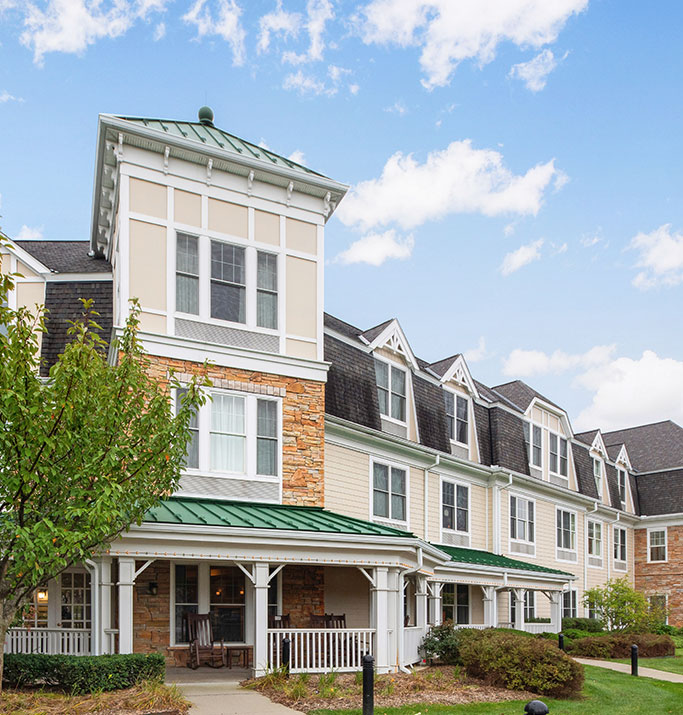
Dining that supports routine and nutrition
The Bradford provides chef-prepared meals served in a spacious dining room, with attention to dietary restrictions. This supports both wellness and social connection.
Learn more about Dining at The Bradford.
Services that simplify day-to-day living
For many seniors, the biggest “upgrade” is not having chores pile up. The Bradford offers services such as:
- Laundry services
- Housekeeping services
- On-site transportation
- Medication assistance
- WiFi and cable TV access
- Community and event rooms
- On-site rehabilitation services
You can review details on Services at The Bradford and explore the full list of Amenities.
Understanding Care Options Without Feeling Overwhelmed
Many families begin their search with “apartments,” but later realize they also need support with daily routines, medication, memory changes, or short-term recovery. The Bradford offers:
- Assisted Living for individuals who want to stay as independent as possible while receiving help as needed
- Memory Care in a secure setting with trained support and structured programming
- Respite Care for short-term stays (for caregiver relief, recovery support, or a temporary need)
If you’re comparing senior apartments in Detroit, MI, under $1000, or exploring low-income senior housing in Detroit, it can help to ask a simple question on tours:
“If needs change, can we stay in the same community?”
That one question can reduce stress later.
For additional guidance on healthy aging and staying socially connected, you can also explore the National Institute on Aging.
Fair Housing and Respectful Screening
A trustworthy community should be clear and respectful about the application process and resident rights. If you want to learn more about fair housing guidance nationally, HUD’s Fair Housing information is a helpful reference.
Make the Next Step Feel Simple
Choosing senior apartments in Detroit, MI (or nearby Metro Detroit communities) can be exhausting—especially when you’re trying to balance budget, safety, and quality of life. You don’t have to sort it out alone.
Call The Bradford Senior Living at 248-972-0800 to ask questions, talk through care needs (Assisted Living, Memory Care, or Respite Care), and schedule a visit. You can also explore details and request information directly through The Bradford Senior Living or use the Contact Page to plan your tour.
Frequently Asked Questions
What is the average cost for senior living in Michigan?
The average cost of senior living in Michigan varies by type of care and location. Assisted living typically costs around $4,000 to $4,500 per month, while independent living options may be slightly lower. Memory care or specialized care services can cost more due to additional support needs. Costs can also fluctuate based on amenities, apartment size, and the community’s overall services.
Where is the cheapest place to live in Detroit?
Some of the most affordable areas to live in Detroit include Warrendale, Brightmoor, and Barton-McFarland. These communities tend to have lower housing costs and access to basic amenities. Seniors may also find affordable housing in nearby suburbs such as Inkster or Highland Park. It’s important to research local safety, transportation, and healthcare access when choosing a budget-friendly neighborhood.
What is considered low income in Michigan for seniors?
In Michigan, a senior is generally considered low income if their annual income falls below 80% of the area median income (AMI). This amount can vary by county and household size. For example, a single senior earning less than $35,000 per year may qualify for certain housing or financial assistance programs. These programs can help with rent, healthcare, and daily living expenses.
What is the cheapest way for a senior to live?
The most affordable living option for seniors often depends on their health, lifestyle, and financial situation. Shared housing, senior co-ops, or government-subsidized apartments can significantly reduce monthly expenses. Some may qualify for Medicaid or housing assistance programs that cover part of the costs. Living with family or downsizing to a smaller home can also help minimize living expenses while maintaining comfort and independence.
Very clean and great environment… there’s been a lot of changes done in the last 2 years for the better!!
Bruce H.