
 248.972.0800
 Bloomfield Hills, MI


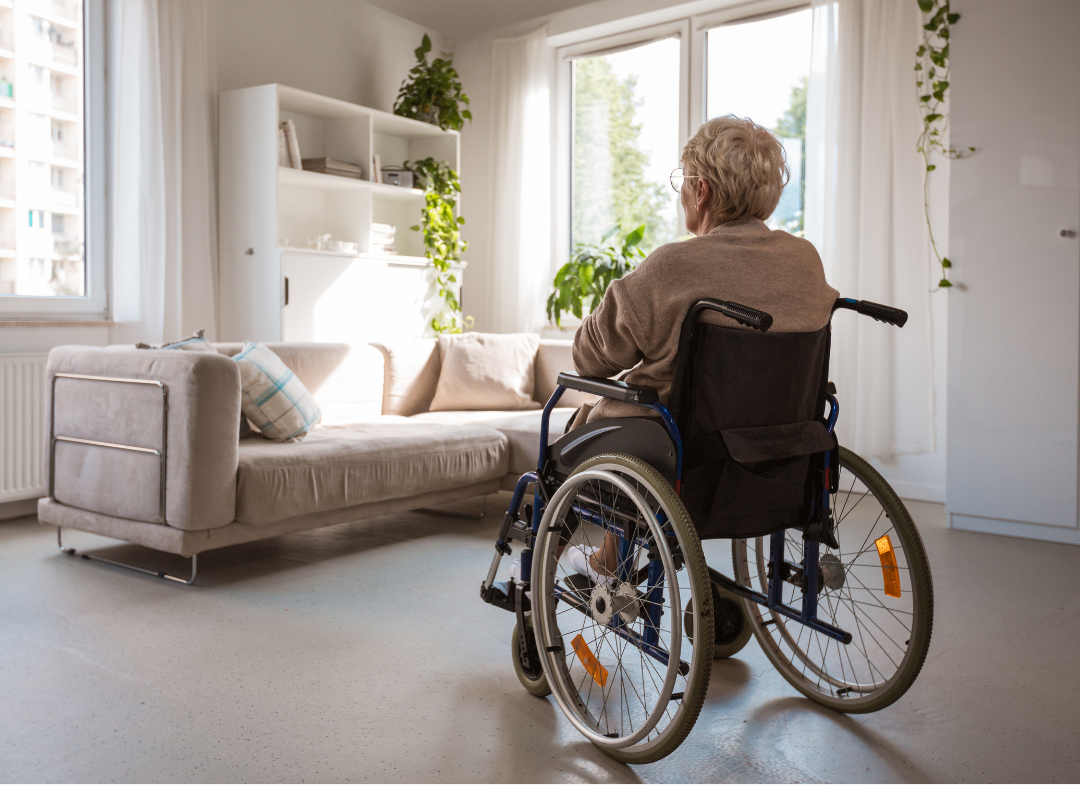
Home care vs assisted living depends on whether your loved one can safely manage life at home with added support or would benefit from a community setting with meals, medication assistance, transportation, social connection, and help with daily routines that feels consistent and easier for families to coordinate.
For families in Bloomfield Hills, MI, The Bradford offers Assisted Living, Memory Care, and Respite Care in a community setting. If you are unsure what level of support makes sense, a care assessment can help you think through daily needs, lifestyle preferences, and next steps with more clarity.
Home Care vs Assisted Living: What Is the Main Difference?
Home care provides support in a private home, while assisted living provides daily support within a community setting. The main difference is not only where care happens, but how much structure, social connection, and everyday assistance are built into the routine.
The National Institute on Aging’s long-term care overview explains that long-term care can include support at home or in residential settings. A national assisted living overview reports that more than 800,000 older adults live in approximately 29,000 assisted living residences in the United States. At The Bradford, families can explore Assisted Living, Memory Care, and Respite Care through the community’s levels of care.
When Staying at Home May Still Feel Right
Staying at home may feel right when your loved one is mostly independent and only needs limited help. The familiar setting can bring peace of mind, especially when routines are steady and family support is easy to coordinate.
Still, in-home care vs assisted living often becomes a bigger question when daily life starts requiring more planning. Meals, laundry, transportation, medication reminders, and social time can become harder to manage from home, even when your loved one wants to remain independent.
Signs Assisted Living May Be the More Supportive Choice
Assisted living may be a stronger fit when daily routines are becoming difficult to manage consistently. If your loved one needs help with meals, housekeeping, laundry, transportation, or medication assistance, a community setting may offer a more supportive rhythm.
Daily Routines Are Becoming Harder to Manage
Small daily tasks can add up. If your family is spending more time coordinating help, checking in, or worrying about missed routines, assisted living may give your loved one steadier support.
Social Isolation Is Becoming a Concern
A quiet home can start to feel lonely when driving, planning outings, or joining activities becomes harder. At The Bradford, amenities such as art classes, fitness classes, game nights, movie nights, religious services, and local trips can help residents stay engaged in ways that feel natural.
Family Caregiving Feels Harder to Coordinate
Many families want to help, but schedules, distance, and daily responsibilities can make caregiving feel complicated. For families supporting someone with Parkinson’s, the Parkinson’s Foundation care partner resources can also help guide conversations about daily support and care planning.

Comparing Home Care, Assisted Living, Memory Care, and Nursing Homes
Different care options serve different needs, so it helps to compare them side by side. This can make the choice feel less overwhelming and easier to discuss as a family.
| Option | Best Fit For | Type of Support | Lifestyle Considerations |
| Home Care | A person who can remain at home with added support | In-home assistance | Familiar home setting, with family often coordinating needs |
| Assisted Living | Someone who needs daily support and a community routine | Assisted Living services | Dining, activities, transportation, and shared social spaces |
| Memory Care | Someone with memory-related support needs | Memory Care services | A more structured care setting |
| Nursing Home | A person comparing higher-support care options | Not provided as a service at The Bradford | Useful as a comparison term when reviewing care choices |
Home care vs nursing home, nursing home vs assisted living, and memory care vs in home care are common comparisons for families. The right path depends on your loved one’s daily needs, safety concerns, routine, and how much support feels appropriate.
Cost Conversations Should Focus on Value, Support, and What Is Included
In-home care vs assisted living costs should be compared by looking at what support is included, not only by looking at a monthly figure. Meals, transportation, housekeeping, laundry, activities, medication assistance, and shared community spaces can all shape the value of each option.
If your family is comparing in-home assisted living costs with community-based care, think about what your loved one needs each week and what your family is already coordinating. For a closer look at local planning, you can read Planning for the Cost of Assisted Living in Michigan.
Real-Life Family Scenarios That Can Clarify the Decision
A parent may still feel independent but need reminders, help with routines, and more social connections. In that situation, assisted living may offer daily support while still encouraging personal choice and meaningful activity.
Another family may be caring for someone after a short-term change or a period when extra support is needed. Respite Care may be worth exploring when family caregivers need temporary support. If memory-related changes are becoming part of the conversation, Memory Care may also be an important option to review.
Choosing the Right Support Starts With a Thoughtful Visit
The best choice is the one that fits your loved one’s daily life, personality, care needs, and sense of comfort. Comparing home care vs assisted living can bring up emotional questions, but it can also give your family a clearer path forward.
Visiting The Bradford at 2080 South Telegraph Road, Bloomfield Hills, MI 48302 can help you see how the community feels in person. You can schedule a tour or contact the team with questions to talk through what support may fit your family’s next step.
Frequently Asked Questions
Do people with Parkinson’s need assisted living?
People with Parkinson’s do not always need assisted living, but some may benefit from it when daily support becomes more important. If routines, mobility, meals, medication assistance, or transportation are becoming harder to manage at home, assisted living may be worth considering. The decision should be based on the person’s needs, preferences, and family support system. A community visit can help you compare what support feels appropriate.
At what age do most people go into a care home?
There is no single age when most people go into a care home because the decision depends on needs, not age alone. Some people may do well at home for many years, while others may need daily support sooner. Families often start comparing options when safety, routines, meals, medication assistance, or social connection become harder to manage. The right time is usually when support can improve daily life and reduce stress for the person and family.
What are the red flags in a care home?
Red flags in a care home can include poor communication, unclear services, limited resident engagement, or a setting that does not feel clean, welcoming, or organized. Families should also notice whether residents seem connected to activities and whether staff can clearly explain available support. Dining, social spaces, activity options, and transportation can also help you understand daily life. A visit can give you a clearer sense of whether the community feels like the right match.
What should a 70-year-old be doing every day?
A 70-year-old should have a daily routine that supports meals, movement, rest, connection, and meaningful activity. This may include light exercise, social time, hobbies, spiritual practices, or simple routines that bring structure to the day. At The Bradford, activities such as fitness classes, art classes, game nights, movie nights, religious services, and local trips can support an active lifestyle. The best routine is one that feels enjoyable, manageable, and personally meaningful.
Very clean and great environment… there’s been a lot of changes done in the last 2 years for the better!!
Bruce H.